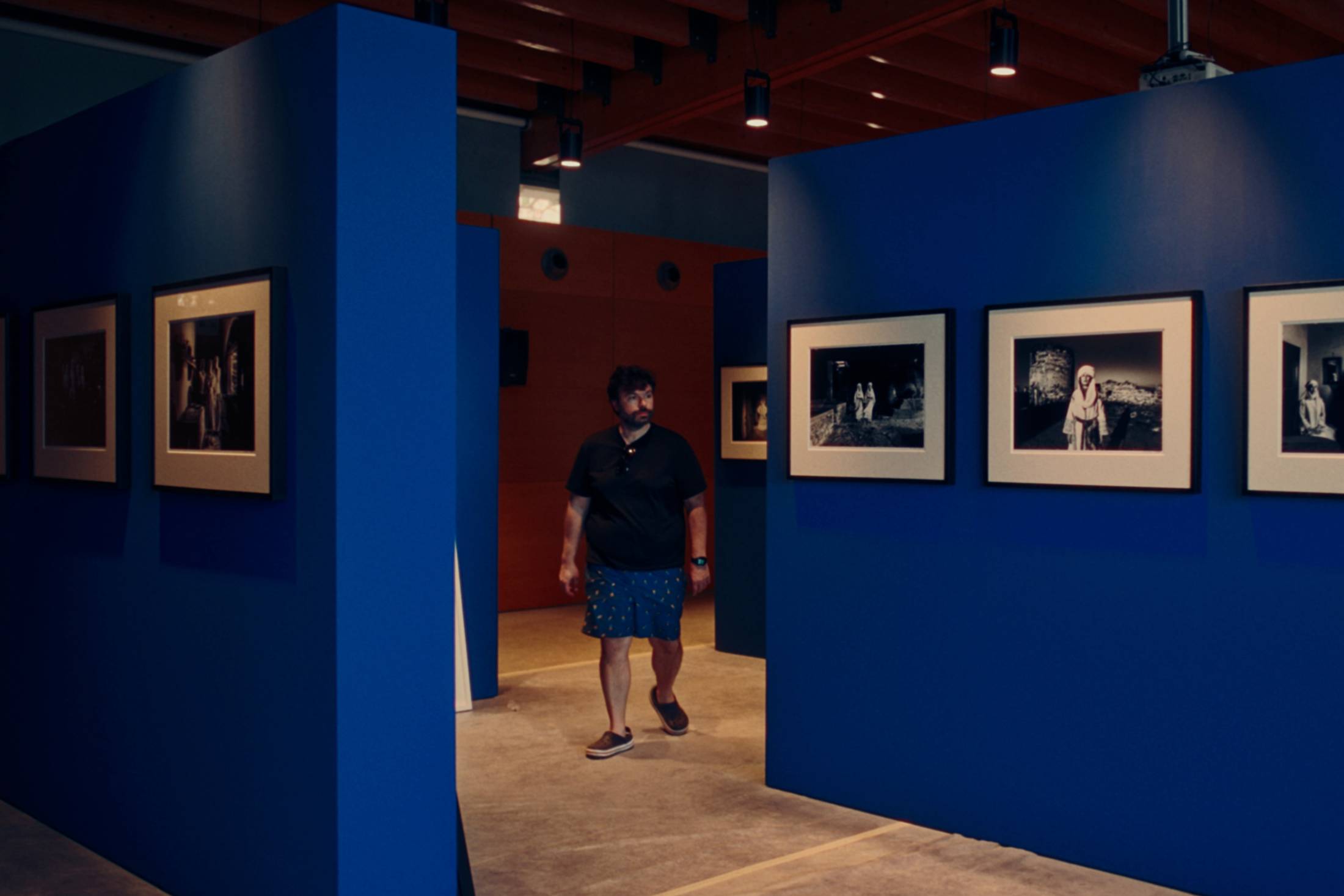
Exhibitions & Institutional Collaborations
George Tatakis creates black-and-white photographic work on Greek traditions, rituals, regional identity and traditional dress.
His long-term projects, including Caryatis and Ethos, are available for museum exhibitions, cultural programmes, touring presentations, artist talks and educational collaborations with institutions worldwide.

About the work
Photography can preserve the surface of a moment. It can also reveal the deeper structures that continue through time.
My work is concerned with Greek cultural heritage, not as nostalgia, but as a living field of gestures, rituals, garments, interiors, landscapes and human presence. Through long-term projects such as Ethos and Caryatis, I photograph traditions that still carry memory, identity and local meaning.
These projects have been presented in museum and institutional contexts in Greece and abroad. They can be adapted for museums, cultural foundations, embassies, universities, festivals, municipalities, hotels and other venues that wish to present Greek culture through a contemporary photographic language.
The exhibitions may stand alone, travel between venues, or be accompanied by artist talks, lectures, workshops and educational material.

For Museums, Cultural Institutions and Serious Venues
This page is intended for institutions and venues interested in presenting photography as part of a cultural, educational or public programme.
Suitable collaborators may include museums, cultural foundations, embassies, universities, photography festivals, municipalities, heritage organisations, libraries, cultural centres, hospitality groups and private institutions with a serious cultural programme.
The work may be presented as a full exhibition, a smaller institutional presentation, a regional or thematic selection, a touring exhibition, or as part of a broader programme on Greek culture, tradition, dress, identity or visual storytelling.
The goal is not only to display photographs. It is to create a context in which visitors can encounter a living part of Greek cultural memory.

Available Bodies of Work
Two main bodies of work are currently suitable for institutional presentation.
Caryatis
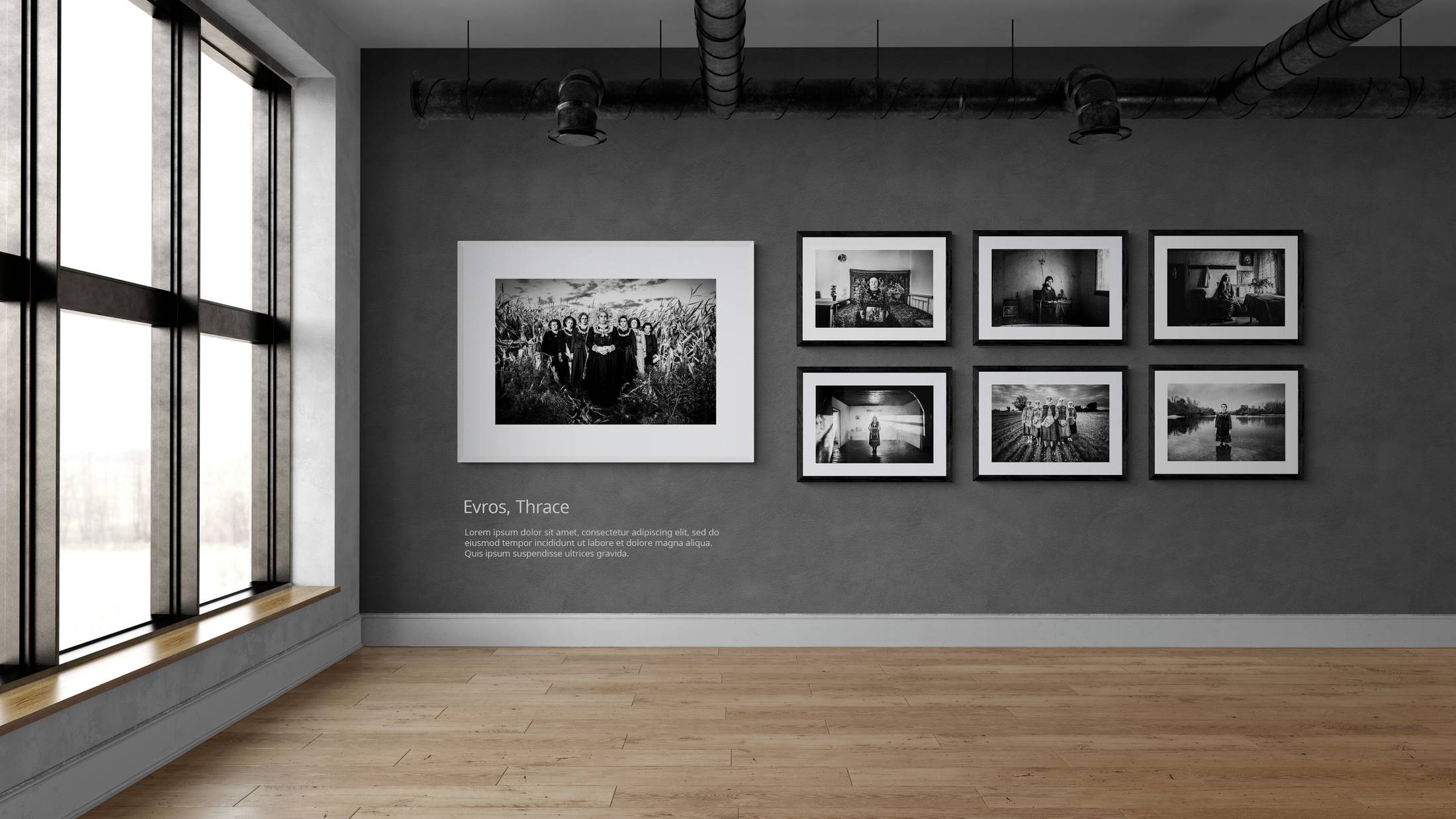
Caryatis is a long-term photographic study of women’s traditional dress across Greece. The project is based on directed portraits made in the places where these garments belong: villages, islands, old houses, courtyards, landscapes and interiors connected to local memory.
The photographs are not casual records of costume. Each image is carefully directed, with attention to posture, architecture, light, gesture and the relationship between the person, the garment and the place. The result is a contemporary black-and-white body of work that presents Greek traditional dress as a living cultural form.
Caryatis may be presented as a full exhibition, a selected exhibition, a regional presentation, or a thematic programme on women, tradition, dress, memory and cultural continuity.
Ethos
Ethos focuses on Greek customs, rituals and local events. Across Greece, many traditions remain connected to the rhythm of the year, the landscape, religion, memory and community life.
The project follows these events as cultural expressions rather than as spectacles. It looks at the way people gather, dress, move, perform, worship, remember and transmit customs from one generation to the next.
Ethos may be presented as a documentary photography exhibition, a cultural heritage programme, a lecture-based presentation, or a travelling exhibition on Greek rituals and regional identity.
Exhibition Formats
Each collaboration can be adapted to the space, purpose and audience of the host institution. Some venues may require a complete museum exhibition. Others may need a smaller presentation, a lecture-led programme, or a temporary cultural installation.
The following formats are possible.
Full Solo Exhibition
A complete presentation of one or more long-term projects, suitable for museums, cultural foundations, photography festivals and major cultural venues.
This format allows the work to unfold through a larger sequence of images, wall texts, captions, curatorial notes and public programming.
Selected Exhibition from Caryatis
A focused presentation of Caryatis, suitable for institutions interested in Greek traditional dress, women’s cultural memory, regional identity or the visual language of costume.
The selection can be adapted by region, theme, visual rhythm or available wall space.
Selected Exhibition from Ethos
A presentation of Ethos can focus on Greek rituals, seasonal customs, religious events, village life, regional identity or the continuity of local traditions.
This format is especially suitable for cultural centres, festivals, universities, embassies and institutions interested in intangible heritage.
Regional Exhibition
A regional exhibition can focus on a specific area of Greece, such as the Dodecanese, Thrace, Epirus, Macedonia, Thessaly, the Peloponnese or another region represented in the archive.
This format is suitable for institutions with a geographic, diaspora, educational or heritage focus.
Thematic Exhibition
A thematic exhibition can be developed around subjects such as traditional dress, ritual, women and memory, cultural continuity, Greek identity, architecture and costume, or the relationship between landscape and tradition.
This format allows the work to be connected to wider curatorial or educational themes.
Touring Exhibition
A touring exhibition can be prepared for presentation across multiple venues. This may include a fixed selection of works, exhibition texts, captions, press material and installation guidance.
Touring formats are suitable for cultural foundations, embassy networks, university programmes, municipalities, festivals and institutions wishing to collaborate across several locations.
Small Institutional Presentation
A smaller selection of works may be suitable for embassies, universities, libraries, hotels, cultural centres, private foundations and professional venues.
This format can work well when accompanied by an artist talk, opening discussion or lecture.
Exhibition with Artist Talk
An exhibition may be accompanied by a talk on the making of the work, the role of photography in cultural memory, and the visual language used to approach Greek traditions.
The talk can be adapted for general audiences, students, photographers, curators or cultural professionals.
Educational Programme or Workshop
Educational collaborations may include lectures, guided exhibition visits, photography workshops, portfolio discussions or seminars on visual storytelling, black-and-white photography and cultural documentation.
These programmes are suitable for universities, photography schools, cultural foundations and museum education departments.
Past Exhibitions & Institutional Presentations
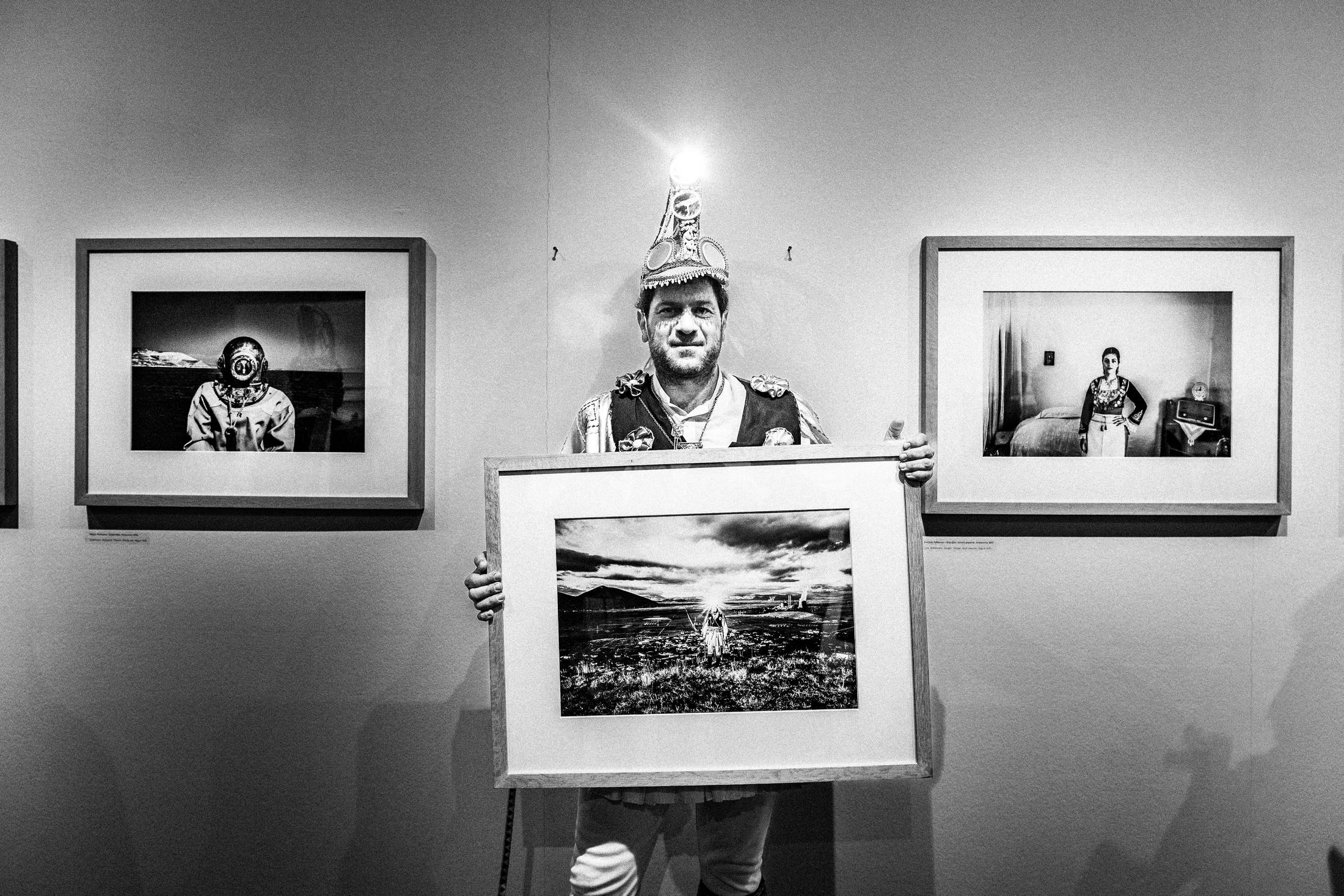
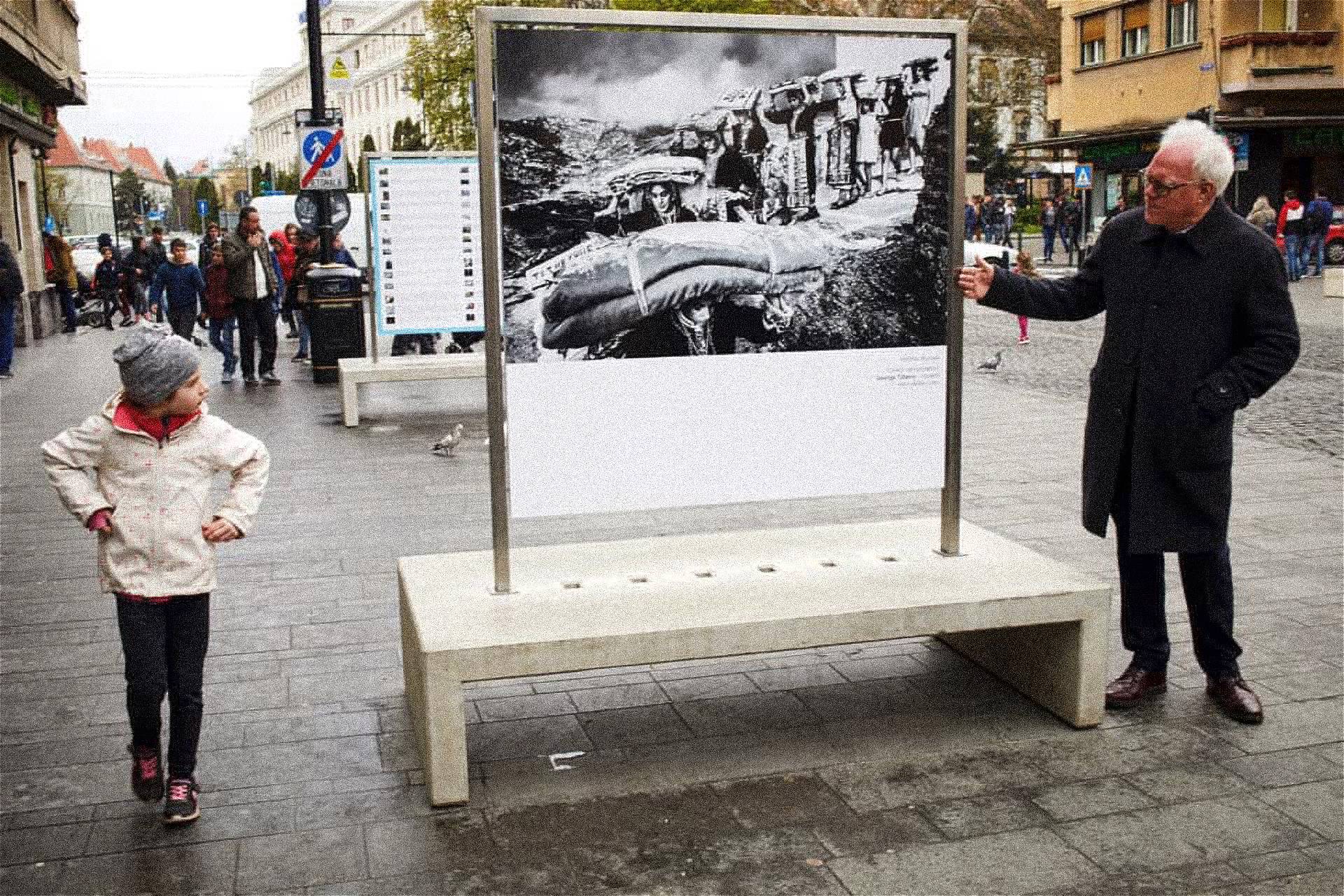
My work has been presented in museums, cultural institutions, public spaces and international exhibition contexts. The following section will gradually expand into a full archive of past exhibitions, with individual pages for selected presentations.
Benaki Museum
Athens
The Benaki Museum has been an important institutional reference for my photographic work. Selected works and archive material are connected with the museum’s photographic archive, placing the work within a broader cultural and historical context.
Musée Fragonard
France
My work has been presented at the Fragonard Museum, bringing Greek cultural photography into dialogue with an international museum audience.
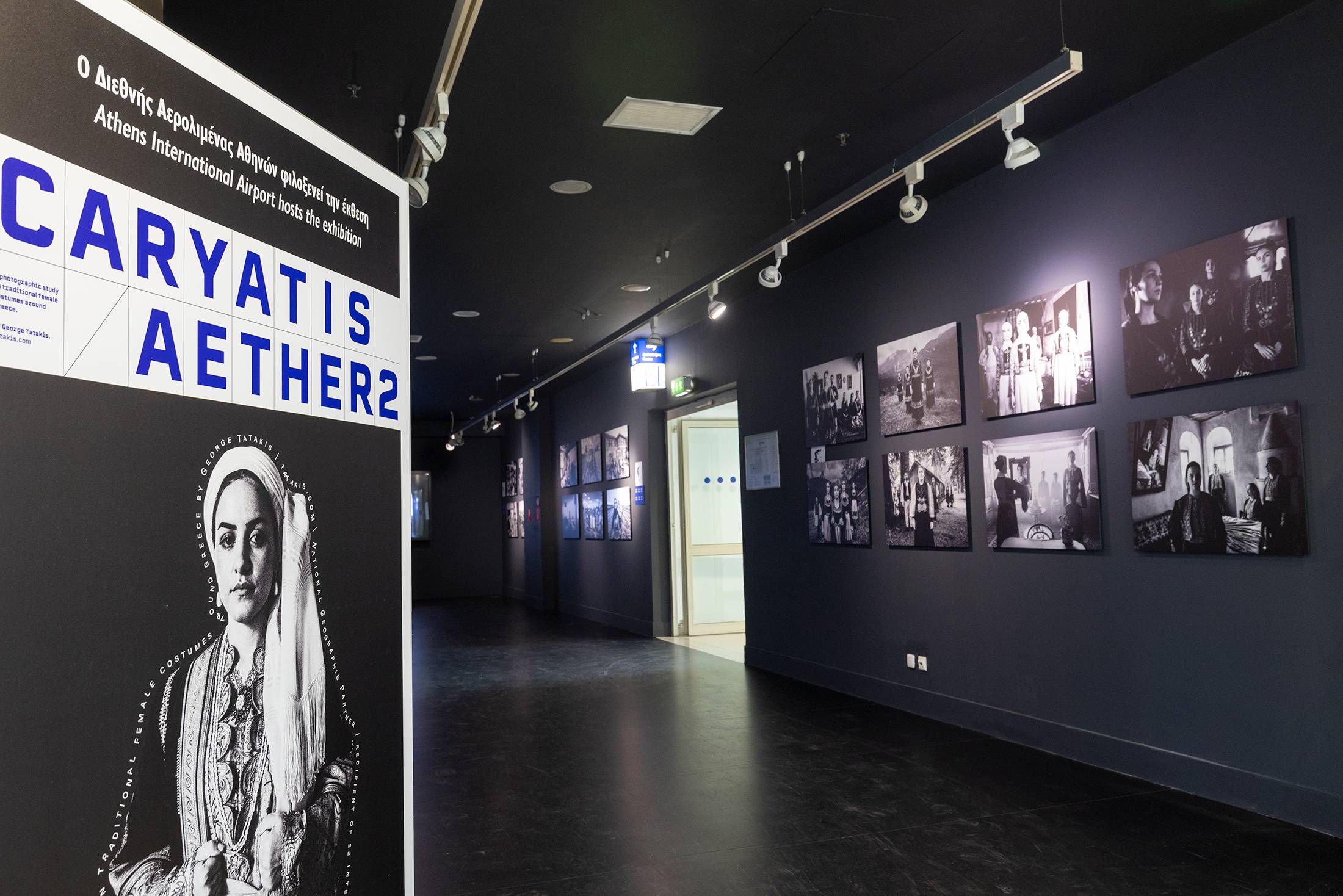
The Athens International Airport exhibition brought the work into a public cultural space visited by an international audience.
This type of presentation is important for institutions interested in cultural visibility beyond the museum, especially in spaces where photography can introduce visitors to Greek identity and heritage.
Piraeus Bank Group Cultural Foundation
Collaborations with the Piraeus Bank Group Cultural Foundation and PIOP venues connect the work with regional museums, local heritage and cultural education.
These presentations are especially relevant to institutions interested in Greek regional identity, tradition and the role of photography in cultural programming.
Victoria G. Karelia Collection
Caryatis Alpha presented a focused selection from the broader Caryatis project in dialogue with one of Greece’s important collections of traditional dress.
This exhibition is central to the institutional development of Caryatis, as it connects the photographic work directly with the study and preservation of Greek costume.
Additional exhibitions and presentations include cultural venues, festivals, museums and international contexts where the work has been shown or discussed.

Artist Talks, Lectures and Educational Programming
An exhibition can be accompanied by a public talk, lecture, guided viewing, workshop or educational programme.
Possible subjects include the making of Caryatis, the documentation of Greek rituals in Ethos, black-and-white photography as a visual language, the role of costume in cultural memory, and the process of working with communities across Greece.
These talks may be adapted for museums, universities, photography schools, embassies, cultural foundations, festivals and private institutions.
The aim is not to explain the photographs too much. It is to offer a wider context around the people, places, traditions and decisions that brought the work into existence.
Practical Information for Host Institutions
Each exhibition is developed in discussion with the host institution. The final selection depends on the available space, the audience, the curatorial purpose and the practical requirements of the venue.
The following information can be provided during the planning stage.
Works and Exhibition Selection
Available selections may be drawn from Caryatis, Ethos, or a combination of related works.
A presentation may be developed as a full exhibition, a smaller selection, a regional theme, or a programme connected with lectures and educational activities.
Prints and Framing
Works can be prepared as museum-grade black-and-white prints. Framing, print size and presentation format can be discussed according to the needs of the institution and the nature of the space.
Where necessary, existing framed works may be used. For new presentations, production can be adapted to the exhibition plan.
Exhibition Texts and Captions
Introductory texts, wall texts, captions, artist biography, project descriptions and press material can be provided in English.
Greek-language material is also available. Additional translations can be prepared in collaboration with the host institution.
Installation and Layout
Installation guidance can be provided for each exhibition. This may include a proposed sequence of works, wall layout notes, captions, text placement and image lists.
For larger exhibitions, additional installation support may be discussed.
Shipping, Insurance and Handling
Shipping, insurance, customs and handling are normally discussed with the host institution during the planning stage.
For international exhibitions, the final arrangement depends on the format of the presentation, the number of works, framing requirements and whether the works travel as framed prints, unframed prints or exhibition panels.
Artist Talks and Public Programming
Artist talks, lectures, guided visits, workshops and educational sessions can accompany the exhibition.
These programmes may focus on Greek cultural heritage, the photographic process, black-and-white visual language, traditional dress, local rituals or the relationship between art and cultural memory.
Rights and Reproduction
Selected images and texts can be made available for exhibition promotion, press communication and educational use, according to an agreed permission framework.
Any use beyond the exhibition context should be discussed separately.
Costs and Funding
Costs depend on the format, number of works, production needs, shipping, installation, duration and public programme.
Institutions may request an exhibition information pack or discuss a tailored proposal based on their venue and objectives.

Why Present This Work
Greek culture is often presented through monuments, antiquity and tourism. These are important, but they are not the whole story.
Across Greece, cultural memory also survives in local costumes, rituals, domestic spaces, religious events, regional customs, gestures and ways of gathering. Many of these traditions are fragile. Some continue with strength. Others survive through the effort of communities, families, local associations and individuals.
The photographic work of George Tatakis approaches this material through a contemporary black-and-white language. It does not attempt to reproduce the past. It looks at what remains active in the present.
For institutions, the work can support exhibitions and programmes around cultural heritage, identity, memory, traditional dress, intangible heritage, photography, Europe, Greece and the Mediterranean.
It can speak to Greek audiences, diaspora communities and international visitors who wish to understand Greece beyond the familiar surface.

Exhibition Enquiries
Institutions interested in presenting the work may contact the studio to discuss available exhibition formats, public programming, artist talks or educational collaborations.
Please include the name of the institution, location, approximate dates, available space and the type of programme you are considering.